
ICMR - National Institute for Research
in Bacterial Infections
आईसीएमआर - राष्ट्रीय जीवाणु संक्रमण अनुसंधान संस्थान
Department of Health Research, Ministry of Health and Family Welfare, Government of India
स्वास्थ्य अनुसंधान विभाग, स्वास्थ्य और परिवार कल्याण मंत्रालय, भारत सरकार
WHO Collaborating Centre For Research and Training On Diarrhoeal Diseases


NICED : Scientists
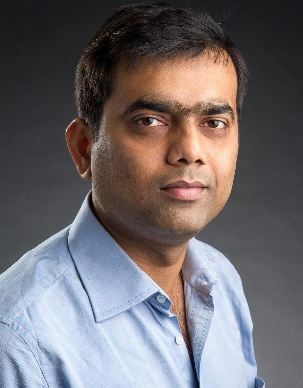
Dr. Kaushik Kumar Dey
| Name | Dr. Kaushik Kumar Dey |
|---|---|
| Designation | Scientist Proteomics |
| Date of joining ICMR | 01.08.2024 |
| Date of joining present post | 01.08.2024 |
| Discipline | Proteomics & Metabolomics, Disease Infectious Biology, SystemsBiology, Neurobiology,Neurodegenerative disease. |
| Specialization | Proteomics & Metabolomics; Infectious Biology; Antimicrobial Resistance (AMR); Clinical & Translational Proteomics; Host–Pathogen Interaction; Systems Biology |
| Email : | kaushik1011@gmail.com |
| Academic Qualification: | |
| Graduation | BachelorofScience(B.Sc.)inBiotechnology(Major), Chemistry,Zoology; Bangalore University, Bangalore, India. |
| Post Graduation | MasterofScience(M.Sc.)inBiotechnology; Bangalore University, Bangalore, India. |
| Doctorate | Ph.D. (Cancer Biology); Indian Institute ofTechnology, Kharagpur(IIT KGP), India. |
| Postdoctoral Training | Department of Structural Biology &Department of Pharmacy and Pharmaceutical Sciences; St. Jude Children's Research Hospital, Memphis, Tennessee, USA. |
Profile
Research Experience
Dr. Kaushik Kumar Dey is an accomplished
interdisciplinary scientist whose research integrates
mass spectrometry - based proteomics and metabolomics
with neurobiology, infectious disease biology,
and systems biology. His overarching goal is to combine
advanced proteomics with translational systems medicine
to identify diagnostic and mechanistic biomarkers for
major human diseases, including neurodegenerative
disorders, cancer, and antimicrobial resistance (AMR).
His work brings together deep expertise in
quantitative proteomics/metabolomics, bioinformatics,
and multi-omics integration to explore molecular
mechanisms underlying complex biological systems.
Currently serving as Scientist (Proteomics) at
the ICMR-National Institute for Research in Bacterial
Infections (NIRBI), Dr. Dey is leading
efforts to establish a national hub for advanced
proteomics research focused on infectious diseases
and AMR. His laboratory is implementing cutting-edge
proteomics and systems biology workflows using
high-resolution mass spectrometry platforms to
investigate host-pathogen interactions and
molecular pathways driving bacterial pathogenesis.
Beyond developing analytical pipelines, he plays a
pivotal role in training researchers and scientific
staff, mentoring young investigators, and supporting
ICMR's intramural and extramural research programs,
fostering translational collaborations that link
proteomic discovery to clinical relevance.
From 2016 to 2024, Dr. Dey pursued an extensive
postdoctoral fellowship with Prof. Junmin Peng
and Dr. Liqin Zhu at St. Jude Children's Research
Hospital (USA), where he developed and applied
state-of-the-art mass spectrometry workflows to study
Alzheimer's disease (AD). His pioneering work
combined deep proteome, phosphoproteome, and
metabolome profiling across human brain,
cerebrospinal fluid (CSF), and serum, revealing
dynamic signaling networks, mitochondrial dysfunction,
and sex-specific molecular signatures
underlying AD progression. Through integrative multi-omics
analyses, he identified a mitochondrial-centered
molecular signature that advanced the mechanistic
understanding of neurodegeneration and laid the
groundwork for precision therapeutic strategies.
Dr. Dey earned his Ph.D. in Cancer Biology under
Prof. Mahitosh Mandal at the Indian Institute of
Technology Kharagpur (IIT KGP). His doctoral
research employed comparative mass spectrometry-based
proteomics to identify early diagnostic
biomarkers and elucidate the oncogenic role of
S100A7 in oral squamous cell carcinoma (OSCC). His
work uncovered key molecular drivers of oral
tumorigenesis through the p38/MAPK and RAB2A
signaling pathways, resulting in several
high-impact publications and national recognitions,
including ICMR Senior Research Fellowships. His
discoveries contributed to developing molecular
diagnostic markers and potential therapeutic
targets for oral cancer.Before his academic career,
Dr. Dey gained industrial R&D experience at
Avesthagen Limited (Biopharma Group), where he
contributed to the process development of recombinant
therapeutics and monoclonal antibodies, including
Bevacizumab, Rituximab, and Darbepoetin. His
expertise covered upstream and downstream
bioprocessing, chromatography-based purification, and
analytical assay validation, providing a strong
translational and regulatory foundation that complements
his academic pursuits.
Through a career spanning industry, academia, and
government research, Dr. Dey continues to drive
innovation in multi-omics discovery and systems biology.
His multidisciplinary expertise, translational vision,
and leadership in establishing advanced proteomics
capabilities position him as a key contributor to
India's efforts in precision diagnostics, biomarker
discovery, and omics-driven biomedical innovation.
Research Interest
My research focuses on integrating mass spectrometry-based proteomics and metabolomics with systems biology to address critical challenges in antimicrobial resistance (AMR) and neurodegenerative diseases. At ICMR-NIBRI, Kolkata, my goal is to advance multiomics-driven discovery and translational applications in infection biology, AMR surveillance, and neuroinflammation. I aim to establish a comprehensive multiomics research hub at NIBRI that bridges infection biology, AMR, and neurodegeneration through proteomics-enabled precision medicine and translational biomarker discovery, in alignment with ICMR's national health priorities.
Key Focus Areas
- AMR Mechanisms and Functional Biomarkers:Profiling host-pathogen proteome and metabolome to identify molecular mechanisms underlying antibiotic tolerance, persistence, and reversible resistance.
- Host-Pathogen Multiomics:Integrating proteomics, metabolomics, and lipidomics to reveal molecular signatures of emerging and re-emerging infections relevant to India.
- Epigenetic and Post-Translational Modifications:Investigating histone and protein PTMs that regulate immune response, bacterial persistence, and pathogen adaptation.
- AMR-Neurodegeneration Interface:Exploring infection-induced neuroinflammation and shared molecular pathways linking chronic infection, immune dysregulation, and neurodegenerative disorders such as Alzheimer's and Parkinson's disease.
- Translational Applications:Developing
LC-MS-based, culture-independent diagnostic and
biomarker platforms for infection detection, drug
susceptibility testing, and early-stage
neurodegenerative disease screening.
Selected Invited Talk / Oral and Poster Presentation
- Invited Expert / Talk: "Converging 2D/1D Proteomics & Chromatography-Based Proteomics Downstream to MS Analysis" - 5-Day National Hands-on Training on Proteomics (PiOH-2026), ICMR-National Institute of Occupational Health (NIOH), Ahmedabad, India; January 19-23, 2026.
- Invited Talk: "From Brain to Biofluids: Multi-Omics Proteomics Illuminates Alzheimer's Disease Mechanisms and Biomarkers" - Recent Advances in Medical Science and Technology (RAdMed-2025) School of Medical Science and Technology, Indian Institute of Technology Kharagpur (IIT Kharagpur), Kharagpur, West Bengal, India; December 17-19, 2025.
- Invited Talk (Young Scientist Award): "Integrated Proteomics & Systems Biology analysis reveals mitochondrial associated proteins in Alzheimer's disease progression" - International Conference on Advances in Systems Biology (ICASB-2025), Doctor Hari Singh Gour Vishwavidyalaya (Central University), Sagar, MP, India; March 6-8, 2025.
- Invited Talk: "Large-scale Deep multi-layer proteomics approach exposes mitochondrial associated proteins in Alzheimer's disease progression" - International Conference on "Integrated Omics Approaches for Decoding Biological Research" at the 16th Annual Meeting of Proteomics Society, CSIR-National Chemical Laboratory, Pune, India; November 21-23, 2024.
- Invited Talk: "Multi-omics & Systems Biology approach reveals mitochondrial associated proteins in Alzheimer's disease progression" - International Conference on Advances in Mechanisms and Approaches to Neuro-Therapeutics (AIM-AT) & XLII Annual Meeting of Indian Academy of Neurosciences, NIMHANS, Bengaluru, India; November 12-14, 2024.
- Invited Talk: "Multi-omics & Systems Biology approach reveals mitochondrial associated proteins in Alzheimer's disease progression" - International Conference on Global Disease Biology: Perspective Biotechnology (ICGDB-2024), Department of Biotechnology, The University of Burdwan, India; March 15-17, 2024.
- Invited Talk: "Mass Spectrometry-based clinical proteomics toward biomarker discovery for Alzheimer's disease" - 32nd ISMAS Conference, session on "Mass Spectrometry of Biomolecules and Pharmaceuticals", BARC, Mumbai, India; 2019.
- Invited Talk: "Mass Spectrometry-based bio-fluid proteomics toward biomarker discovery for Alzheimer's disease" - 11th Annual Meeting of the Proteomics Society, India (PSI) & International Conference on Proteomics for System Integrated Bio-Omics, One Health, and Food Safety, ICAR-NDRI, Karnal, India; December 2-4, 2019.
- Invited Talk: "Deep un-depleted human serum proteome profiling and targeted mass spectrometry validation toward biomarker discovery for Alzheimer's disease" - Proteomics Society of India (PSI) Conference, National Centre for Cell Science (NCCS), Pune, India; 2018.
- Invited Talk: "BT Rice: Prospects and Current Status" - 7th Pacific Rim International Conference on the Biotechnology of Bacillus thuringiensis and its Environmental Impact, National Agriculture Science Complex, New Delhi, India; November 25-28, 2009.
- Invited Talk: "Aberrant over expression of calcium-binding protein S100A7 and different prognostic proteins as novel diagnostic early detection biomarkers in human oral cancer" - 2nd Global Cancer Genomics Consortium Symposium, ACTREC, Kharghar, Mumbai, India; 2012.
Membership/ Fellow of Professional Societies/ Associations
- AssociateMemberofAmericanAssociationforCancerResearch(AACR
- LifeMemberIndianassociationofCancerResearch(IACR)
- Annual Member AmericanSocietyforMassSpectrometry(ASMS
- LifeandElectedMemberIndianSocietyforMassSpectrometry(ISMAS)
- LifeMemberProteomicsSocietyofIndia(PSI)
- Member HumanProteomeorganization (HUPO)
- Life Member Indian Academy of Neurosciences (IAN)
- Life member The Society of Biological Chemists
(SBC)
Honors, Awards, and Fellowships
- Young Scientist Award(2025) - International Conference on Advances in Systems Biology (ICASB-2025), Doctor Hari Singh Gour Vishwavidyalaya (Central University), Sagar, Madhya Pradesh, India.
- SERB-ANRF Travel Fellowship (2024) - XLII Annual Meeting of Indian Academy of Neurosciences, Bengaluru, India.International Travel Grant(2023) - 46th Annual Meeting of the Japan Neuroscience Society, Japan.
- Ramalingaswami Re-Entry Fellowship (2022) - Department of Biotechnology (DBT), Government of India, New Delhi, India.
- National Institute Travel Grant(2015) :34th Annual Convention of Indian Association for Cancer Research (IACR), IIT Kharagpur, Jaipur, India.
- Independent Senior Research Fellowship (2014-2016): Indian Council of Medical Research (ICMR), New Delhi, India).
- International Institute Travel Grant(2014): AACR Annual Meeting, IIT Kharagpur, San Diego, USA.
- DST International Travel Grant(2012): 5th
Oncology Biomarker Summit, Department of Science and
Technology, Zurich, Switzerland.
Publications
- Kaushik Kumar Dey*, Jay M. Yarbro, Danting Liu, Xian Han, Zhen Wang, Yun Jiao, Zhiping Wu, Shu Yang, DongGeun Lee, Abhijit Dasgupta, Zuo-Fei Yuan, Xusheng Wang, Liqin Zhu, and Junmin Peng*. Deep serum proteome profiling identifies sex-influenced patterns in a murine model of Alzheimer's disease. Journal of Proteome Research, 22(12), 3487-3502, 2023. https://doi.org/10.1021/acs.jproteome.3c00689 (JIF: 4.46).
- Cheng Tian, Liyuan Li, Qingfei Pan, Beisi Xu, Yizhen Li, Li Fan, Anthony Brown, Michelle Morrison, Kaushik Dey, Jun J. Yang, Jiyang Yu, Evan S. Glazer, Liqin Zhu. Spatiotemporal regulation of cholangiocarcinoma growth and dissemination by peritumoral myofibroblasts in a Vcam1-dependent manner. Oncogene, 42, 476-488, 2023. https://doi.org/10.1038/s41388-023-02639-0 (JIF: 8.75).
- Xiaojun Sun*, Huan Sun*, Xian Han, Ping-Chung Chen, Yun Jiao, Zhiping Wu, Xue Zhang, Zhen Wang, Mingming Niu, Kaiwen Yu, Danting Liu, Kaushik Kumar Dey, Ariana Mancieri, Yingxue Fu, Ji-Hoon Cho, Yuxin Li, Suresh Poudel, Tess C. Branon, Alice Y. Ting, Junmin Peng*. Deep Single-Cell-Type Proteome Profiling of Mouse Brain by Nonsurgical AAV-Mediated Proximity Labeling. Analytical Chemistry, 94(13), 5325-5334, 2022. https://doi.org/10.1021/acs.analchem.1c05212 (JIF: 8.00).
- Bing Bai*, David Vanderwall*, Yuxin Li, Xusheng Wang, Suresh Poudel, Hong Wang, Kaushik Kumar Dey, Ping-Chung Chen, Ka Yang, Junmin Peng. Proteomic Landscape of Alzheimer's Disease: Novel Insights into Pathogenesis and Biomarker Discovery. Molecular Neurodegeneration, 16(1), 1-16, 2021. https://doi.org/10.1186/s13024-021-00474-z (JIF: 18.18).
- Kaushik Kumar Dey*, Hong Wang*, Yuxin Li, Mingming Niu, Ji-Hoon Cho, Xusheng Wang, Bing Bai, Yun Jiao, Surendhar Reddy Chepyala, Vahram Haroutunian, Bin Zhang, Thomas G. Beach, Junmin Peng. Integrated analysis of ultra-deep proteomes in cortex, cerebrospinal fluid and serum reveals a mitochondrial signature in Alzheimer's disease. Molecular Neurodegeneration, 15(1), 1-20, 2020. https://doi.org/10.1186/s13024-020-00384-6 (JIF: 18.18).
- Danting Liu, Shu Yang, Kanisha Kavdia, Jeffrey M. Sifford, Zhiping Wu, Boer Xie, Zhen Wang, Vishwajeeth R. Pagala, Hong Wang, Kaiwen Yu, Kaushik K. Dey, Anthony A. High, Thomas G. Beach, and Junmin Peng. Deep Profiling of Microgram-Scale Proteome by Tandem Mass Tag Mass Spectrometry.Journal of Proteome Research, 2020, 20(1), 337-345. https://doi.org/10.1021/acs.jproteome.0c00426 (JIF: 4.46).
- Bing Bai*, Xusheng Wang*, Yuxin Li*, Ping-Chung Chen*, Kaiwen Yu, Kaushik Kumar Dey, Jay M. Yarbro, Xian Han, Brianna M. Lutz, Shuquan Rao, Yun Jiao, Jeffrey M. Sifford, Jonghee Han, Minghui Wang, Haiyan Tan, Timothy I. Shaw, Ji-Hoon Cho, Suiping Zhou, Hong Wang, Mingming Niu, Ariana Mancieri, Kaitlynn A. Messler, Xiaojun Sun, Zhiping Wu, Vishwajeeth Pagala, Anthony A. High, Wenjian Bi, Hui Zhang, Hongbo Chi, Vahram Haroutunian, Bin Zhang, Thomas G. Beach, Gang Yu, and Junmin Peng (*Equal Contribution). Deep Multilayer Brain Proteomics Identifies Molecular Networks in Alzheimer's Disease Progression.Neuron, 2020, 105(6), 975-991. https://doi.org/10.1016/j.neuron.2019.12.015 (JIF: 18.69).
- Zhen Wang*, Kanisha Kavdia*, Kaushik Kumar Dey, Vishwajeeth R. Pagala, Kiran Kodali, Danting Liu, Dong Geun Lee, Huan Sun, Surendhar Reddy Chepyala, Ji-Hoon Cho, Anthony A. High, and Junmin Peng (*Equal Contribution). High-throughput and Deep-Proteome Profiling by 16-plex Tandem Mass Tag Labeling Coupled with Two-Dimensional Chromatography and Mass Spectrometry.JoVE (Journal of Visualized Experiments), 2020, e61684, 1-18. https://dx.doi.org/10.3791/61684 (JIF: 1.40).
- Kaushik Kumar Dey*, Hong Wang*, Mingming Niu, Bing Bai, Xusheng Wang, Yuxin Li, Ji-Hoon Cho, Haiyan Tan, Ashutosh Mishra, Anthony A. High, Ping-Chung Chen, Zhiping Wu, Thomas G. Beach, and Junmin Peng (*Equal Contribution). Deep Undeleted Human Serum Proteome Profiling Toward Biomarker Discovery for Alzheimer's Disease.Clinical Proteomics, 2019, 16(1), 1-12. https://doi.org/10.1186/s12014-019-9237-1 (JIF: 5.00).
- Ipsita Pal, Y. Rajesh, Payel Banik, Goutam Dey, Kaushik Kumar Dey, Rashmi Bharti, Deboki Naskar, Sandipan Chakraborty, Sudip K. Ghosh, Swadesh K. Das, Luni Emdad, Subhas Chandra Kundu, Paul B. Fisher, and Mahitosh Mandal. Prevention of Epithelial to Mesenchymal Transition in Colorectal Carcinoma by Regulation of the E-Cadherin-β-Catenin-Vinculin Axis.Cancer Letters, 2019, 452, 254-263. https://doi.org/10.1016/j.canlet.2019.03.008 (JIF: 8.67).
- Y Rajesh, Anupam Banerjee, Ipsita Pal, Angana Biswas, Subhayan Das, Kaushik Kumar Dey, Neelkamal Kapoor, Ananta Kumar Ghosh, Pralay Mitra, Mahitosh Mandal. Delineation of crosstalk between HSP27 and MMP-2/MMP-9: A synergistic therapeutic avenue for glioblastoma management.Biochimica et Biophysica Acta (BBA) - General Subjects, 2019, 1863(7), 1196-1209. https://doi.org/10.1016/j.bbagen.2019.04.015 (JIF: 3.94)
- Boer Xie*, Yuanyuan Wang*, Drew R. Jones*, Kaushik Kumar Dey, Xusheng Wang, Yuxin Li, Ji-Hoon Cho, Haiyan Tan, Junmin Peng. Isotope Labeling-assisted Evaluation of Hydrophilic and Hydrophobic Liquid Chromatograph-Mass Spectrometry for Metabolomics Profiling.Analytical Chemistry, 2018, 90(14), 8538-8545. https://doi.org/10.1021/acs.analchem.8b01591 (JIF: 8.08)
- Aditya Parekh, Subhayan Das, Sheetal Parida, Chandan Das, Debabrata Dutta, Sanjaya Mallick, Pei-Hsun Wu, B. N. Prashanth Kumar, Rashmi Bharti, Goutam Dey, Kacoli Banerjee, Shashi Rajput, Deblina Bharadwaj, Ipsita Pal, Kaushik K Dey, Y Rajesh, Bikash Jena, Angana Biswas, Payel Banik, Anjan Pradhan, Swadesh Das, Amit Das, Santanu Dhara, Paul Fisher, Denis Wirtz, Gordon Mills, Mahitosh Mandal. Multi-nucleated cells use ROS to induce breast cancer chemo-resistance in vitro and in vivo.Oncogene, 2018, 37(33), 4546-4561. https://doi.org/10.1038/s41388-018-0272-6 (JIF: 8.75)
- Rashmi Bharti, Goutam Dey, Indranil Banerjee, Kaushik Kumar Dey, Sheetal Parida, Prashanth B. N. Kumar, Chandan Kanta Das, Ipsita Pal, Manabendra Mukherjee, Mridula Misra, Anjan K. Pradhan, Luni Emdad, Swadesh K. Das, Paul B. Fisher, Mahitosh Mandal. Somatostatin receptor targeted liposomes with Diacerein inhibit IL-6 for breast cancer therapy.Cancer Letters, 2016, 388, 292-302. https://doi.org/10.1016/j.canlet.2016.12.021 (JIF: 8.67)
- Sheetal Parida, Chitranjit Maiti, Y Rajesh, Kaushik K Dey, Ipsita Pal, Rusha Patra, Dibakar Dhara, Pranab Kumar Dutta, Mahitosh Mandal. Gold nanorod embedded reduction responsive block copolymer micelle-triggered drug delivery combined with photo thermal ablation for targeted cancer therapy.Biochimica et Biophysica Acta (BBA) - General Subjects, 2017, 1861(1), 3039-3052. https://doi.org/10.1016/j.bbagen.2016.10.004 (JIF: 3.94)
- Kaushik K Dey*, Rashmi Bharti, Goutam Dey, Ipsita Pal, Y Rajesh, Sandip Chavan, Subhayan Das, Chandan Kanta Das, Bikash Chandra Jena, Priyanka Halder, Jay Gopal Ray, Indranil Kulavi, Mahitosh Mandal*. S100A7 has an oncogenic role in oral squamous cell carcinoma by activating p38/MAPK and RAB2A signaling pathway.Cancer Gene Therapy, 2016, 11, 382-391. https://doi.org/10.1038/cgt.2016.43 (Joint Corresponding Author) (JIF: 5.85)
- Ipsita Pal, Kaushik Kumar Dey, Madhuri Chaurasia, Sheetal Parida, Subhayan Das, Y Rajesh, Kulbhushan Sharma, Tamohan Chaudhuri, Mahitosh Mandal. Cooperative effect of BI-69A11 and Celecoxib enhances radio sensitization by modulating DNA damage repair in colon carcinoma.Tumor Biology, 2016, 37(5), 6389-6402. https://doi.org/10.1007/s13277-015-4399-6 (JIF: 3.65)
- Kaushik Kumar Dey, Ipsita Pal, Rashmi Bharti, Goutam Dey, B. N. Prashanth Kumar, Shashi Rajput, Aditya Parekh, Sheetal Parida, Priyanka Halder, Indranil Kulavi, Mahitosh Mandal. Identification of RAB2A and PRDX1 as the potential biomarkers for Oral Squamous Cell Carcinoma using mass spectrometry based comparative proteomics approach.Tumor Biology, 2015, 36(12), 9829-9837. https://doi.org/10.1007/s13277-015-3758-7 (JIF: 3.65)
- Ipsita Pal, Sheetal Parida, B. N. Prashanth Kumar, Payel Banik, Kaushik Kumar Dey, Sandipan Chakraborty, Sujit Bhutia, Mahitosh Mandal. Blockade of autophagy enhances pro-apoptotic potential of BI-69A11, a novel Akt inhibitor, in colon carcinoma.European Journal of Pharmacology, 2015, 765, 217-227. https://doi.org/10.1016/j.ejphar.2015.08.039 (JIF: 4.43)
- Dey G, Bharti R, Dhanarajan G, Das S, Dey KK, Kumar B. N., Sen R, Mandal M. Marine lipopeptide Iturin A inhibits Akt mediated GSK3β and FoxO3a signaling and triggers apoptosis in breast cancer.Scientific Reports, 2015, 5(1), 1-14. https://doi.org/10.1038/srep10316 (JIF: 4.99)
- Pal I, Sarkar S, Rajput S, Dey KK, Chakraborty S, Dash R, Das S. K., Sarkar D, Barile E, De S. K., Pellecchia M, Fisher P. B., Mandal M. BI-69A11 enhances susceptibility of colon cancer cells to mda-7/IL-24-induced growth inhibition by targeting Akt.British Journal of Cancer, 2014, 111(1), 101-111. https://doi.org/10.1038/bjc.2014.227 (JIF: 7.64)
- B. N. Prashanth Kumar, Shashi Rajput, Kaushik Kumar Dey, Subhasis Das, Abhijit Majumder, Mahitosh Mandal. Celecoxib alleviates tamoxifen-instigated angiogenic effects by ROS-dependent VEGF-A/VEGFR2 autocrine signaling.BMC Cancer, 2013, 13, 273. https://doi.org/10.1186/1471-2407-13-273 (JIF: 4.63)
- Rajput S, Kumar B. N., Dey KK, Pal I, Parekh A, Mandal M. Molecular targeting of Akt by thymoquinone promotes G1 arrest through translation inhibition of cyclin D1 and induces apoptosis in breast cancer cells.Life Sciences, 2013, 93, 783-790. https://doi.org/10.1016/j.lfs.2013.09.009 (JIF: 6.78)
- Das S, Dey KK, Dey G, Pal I, Majumder A, Maiti Choudhury S, Kundu S. C., Mandal M. Antineoplastic and apoptotic potential of traditional medicines thymoquinone and diosgenin in squamous cell carcinoma.PLoS One, 2012, 7(10), e46641. https://doi.org/10.1371/journal.pone.0046641 (JIF: 3.75)
- Das S, Dey KK, Bharti R, Maiti Choudhury
S, Maiti S, Mandal M. PKI 166 induced redox
signaling and apoptosis through activation of p53,
MAP kinase and caspase pathway in epidermoid
carcinoma.Journal of Experimental Therapeutics
and Oncology, 2012, 10(2),
139-153.
https://doi.org/10.3727/096504012X13500414679808
(JIF: 1.1)
Book Chapters
- Kaushik Kumar Dey*, Huan Sun*, Zhen Wang, Mingming Niu, Hong Wang, Yun Jiao, Xiaojun Sun, Yuxin Li, and Junmin Peng (*Equal Contribution). Proteomic Profiling of Cerebrospinal Fluid by 16-Plex TMT-Based Mass Spectrometry.Methods in Molecular Biology, 2022, 21-37. https://doi.org/10.1007/978-1-0716-1936-0_3 (JIF: 1.16)
Patents
- Patent:Detection of Alzheimer's Disease Using Specific Biomarkers, United States Patent Application No. US20230085163A1, Published on March 23, 2023 and currently pending review by the United States Patent and Trademark Office (USPTO). This invention discloses a mass spectrometry-based method for the detection and classification of Alzheimer's disease using protein biomarkers identified in cerebrospinal fluid and blood, aiming to improve early diagnosis and precision therapeutic strategies; Inventor: Junmin Peng, Hong Wang, Kaushik Kumar Dey
Selected InvitedTalk/OralandPosterpresentation
- Invited Talk (Young Scientist Award): "Integrated Proteomics & Systems Biology analysis reveals mitochondrial associated proteins in Alzheimer's disease progression" - International Conference on Advances in Systems Biology (ICASB-2025), Doctor Hari Singh Gour Vishwavidyalaya (Central University), Sagar, MP, India; March 6-8, 2025.
- Invited Talk: "Large-scale Deep multi-layer proteomics approach exposes mitochondrial associated proteins in Alzheimer's disease progression" - International Conference on "Integrated Omics Approaches for Decoding Biological Research" at the 16th Annual Meeting of Proteomics Society, CSIR-National Chemical Laboratory, Pune, India; November 21-23, 2024.
- Invited Talk: "Multi-omics & Systems Biology approach reveals mitochondrial associated proteins in Alzheimer's disease progression" - International Conference on Advances in Mechanisms and Approaches to Neuro-Therapeutics (AIM-AT) & XLII Annual Meeting of Indian Academy of Neurosciences, NIMHANS, Bengaluru, India; November 12-14, 2024.
- Invited Talk: "Multi-omics & Systems Biology approach reveals mitochondrial associated proteins in Alzheimer's disease progression" - International Conference on Global Disease Biology: Perspective Biotechnology (ICGDB-2024), Department of Biotechnology, The University of Burdwan, India; March 15-17, 2024.
- Invited Talk: "Mass Spectrometry-based clinical proteomics toward biomarker discovery for Alzheimer's disease" - 32nd ISMAS Conference, session on "Mass Spectrometry of Biomolecules and Pharmaceuticals", BARC, Mumbai, India; 2019.
- Invited Talk: "Mass Spectrometry-based bio-fluid proteomics toward biomarker discovery for Alzheimer's disease" - 11th Annual Meeting of the Proteomics Society, India (PSI) & International Conference on Proteomics for System Integrated Bio-Omics, One Health, and Food Safety, ICAR-NDRI, Karnal, India; December 2-4, 2019.
- Invited Talk: "Deep un-depleted human serum proteome profiling and targeted mass spectrometry validation toward biomarker discovery for Alzheimer's disease" - Proteomics Society of India (PSI) Conference, National Centre for Cell Science (NCCS), Pune, India; 2018.
- Invited Talk: "BT Rice: Prospects and Current Status" - 7th Pacific Rim International Conference on the Biotechnology of Bacillus thuringiensis and its Environmental Impact, National Agriculture Science Complex, New Delhi, India; November 25-28, 2009.
- Invited Talk: "Aberrant overexpression of
calcium-binding protein S100A7 and different
prognostic proteins as novel diagnostic early
detection biomarkers in human oral cancer" -
2nd Global Cancer Genomics Consortium Symposium,
ACTREC, Kharghar, Mumbai, India; 2012.
Abstractsand publicationsinConferences/Proceedings
- "Deep un-depleted human serum proteome profiling and targeted-based Parallel Reaction Monitoring mass spectrometry identification of biomarkers for Alzheimer's disease" - Kaushik Kumar Dey, Junmin Peng; ASMS Conference, San Diego, USA; 2018.
- "Quantitative proteomic approaches to identify biomarkers for oral cancer & targeting S100A7 by RNA-mediated interference through NF-κB-mediated pathway" - Kaushik Kumar Dey, Mahitosh Mandal; Cancer Research, Volume 74, Abstract No. 38, Pages 1538-7445; AACR Conference, San Diego, USA; 2014.
- "Mechanistic attributes of S100A7 (Psoriasin) in resistance of anoikis resulting in tumor progression in squamous cell carcinoma of the oral cavity" - Kaushik Kumar Dey, Mahitosh Mandal; 34th Annual Convention of Indian Association for Cancer Research (IACR), Jaipur, India; 2015.
- "Significance of S100A7 and S100A4 expression as prognostic biomarkers for oral squamous cell carcinoma" - K Dey, KBN Prashanth, D Subhasis, R Shashi, P Ipsita, D Goutam, P Aditya, P Sheetal, R Jaygopal, M Mahitosh; European Journal of Cancer, Volume 49, Page S215; European Cancer Congress (ECC); Amsterdam2013.
- "BI-69A11 promotes autophagy as an early event followed by induction of apoptosis" Ipsita Pal, Sheetal Parida, Kaushik Kumar Dey, Mahitosh Mandal; Molecular Cancer Therapeutics 12(11 Suppl):C16; AACR-NCI-EORTC International Conference on Molecular Targets and Cancer Therapeutics;Boston, USA, 2013.
- "Enhanced susceptibility to apoptotic induction by Mcl-1 inhibition through synergistic mechanism of celecoxib and botulinic acid in breast cancer" - BNP Kumar, S Rajput, KK Dey, P Ipsita, K Sen, G Dey, R Bharti, S Parida, M Mandal; European Journal of Cancer, Volume 48, Page 24;24 EORTC - NCI - AACR Symposium on Molecular Targets and Cancer Therapeutics;Dublin, Ireland; 2012.
- "Combinatorial effect of ZD6474 and
thymoquinone inhibits Src-mediated ERK-1/2/STAT3
signaling and renders anti-metastasis in breast
cancer" - S Rajput, KK Dey, P Ipsita, K Sen,
G Dey, R Bharti, S Parida, A Parekh, M Mandal;
European Journal of Cancer, Volume 48, Page 61; 24
EORTC - NCI - AACR Symposium on Molecular Targets
and Cancer Therapeutics; Dublin, Ireland ;2012.